Are Dental Crowns Safe? Addressing Common Concerns

Dental crowns are one of the most routine restorations in modern dentistry, yet they still make many patients uneasy. That hesitation is understandable. A crown changes the shape of a tooth, covers much of what is visible above the gumline, and often follows a large filling, a crack, or root canal treatment. For someone sitting in the dental chair, it can feel like a major step.
The short answer is yes, dental crowns are generally safe. They have been used for decades, the materials are well studied, and most people tolerate them without any trouble. That said, “safe” does not mean “risk-free,” and it certainly does not mean every crown is equally well suited to every person. The real answer depends on the material, the condition of the tooth underneath, the skill of the clinician and lab, and how the crown fits into the patient’s bite and long-term oral health.
When people ask whether crowns are safe, they are usually asking several different questions at once. They may be worried about the material. They may wonder if the tooth gets damaged under the crown. They may have heard stories about pain, allergies, or crowns “causing” root canals. Some are concerned about metal. Others want to know whether a crown can make it harder to clean the tooth or whether bacteria can get trapped underneath.
Those are sensible concerns, and they deserve plain answers.
What a crown actually does
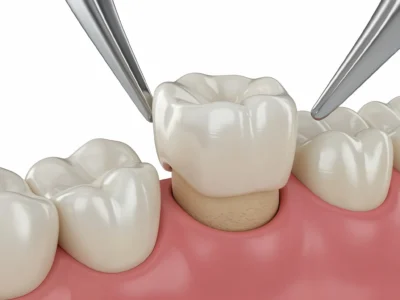
A dental crown is a custom-made cap that covers a damaged or heavily restored tooth. It restores shape, strength, and function. In practical terms, it helps a tooth handle chewing forces when a simple filling would no longer be reliable. A crown may also improve appearance, but its main job is often structural.
Dentists recommend crowns for several common reasons. A tooth may be badly cracked, weakened by a large cavity, or filled so many times that the remaining enamel and dentin are too thin to hold up well. Crowns are also commonly placed after root canal treatment, especially on back teeth, because those teeth are more prone to fracture over time. In some cases, a crown supports a bridge or covers a dental implant.
The process usually involves reshaping the tooth so the crown has room to fit. That reduction is permanent, and for many patients that is the point where the treatment starts to feel serious. It is serious in the sense that it is definitive dentistry, but it is not inherently unsafe. When done for the right reason and with careful planning, a crown can protect a tooth that might otherwise crack further or need extraction.
Why crowns have a strong safety record
Crowns are considered safe because the procedure is standardized, the materials are biocompatible for most people, and complications are usually manageable rather than catastrophic. That matters. In dentistry, the ideal treatment is not one with zero possible downsides, because that does not exist. It is one where the benefits clearly outweigh the known risks.
Most crown-related problems fall into familiar categories: temporary sensitivity, sore gums, a bite that feels a little high, cement washout over time, edge leakage if the fit is poor, or wear and fracture after years of use. Those issues are real, but they are usually detectable and treatable. Serious medical complications from crowns themselves are uncommon.
A well-made crown also distributes chewing force better than a heavily patched tooth. Clinically, that can make a major difference. Many people try to “save” money or avoid treatment by repeatedly patching the same weakened molar with Dental Crowns larger fillings. Sometimes that works for a while. Sometimes the tooth breaks on a Saturday evening over a piece of bread, not steak, because the structure was already compromised. In those cases, the crown was not the risky option. Delaying it was.
The materials people worry about most
Safety concerns often center on what the crown is made of. The common options include porcelain-fused-to-metal, full ceramic or porcelain, zirconia, gold alloy, and other metal alloys. Each has advantages and trade-offs.
Ceramic and porcelain crowns are popular because they look natural. They can be excellent choices for front teeth and many back teeth, especially when appearance matters. Zirconia, a ceramic material with high strength, has become common because it balances durability and esthetics reasonably well. Gold and other noble metal alloys remain some of the most durable and gentle-to-opposing-tooth options, though fewer patients choose them for visible areas.
From a safety standpoint, the key question is biocompatibility. Most people do very well with these materials. True allergic reactions to crown materials are possible, but they are not common. Metal sensitivities are discussed most often, especially with nickel-containing alloys. If a patient has a known metal allergy, that should be discussed before treatment so a different material can be selected. In practice, this is one of the easiest risks to reduce, simply because it can often be anticipated.
There is also a difference between “I do not like the idea of metal in my mouth” and “my body cannot tolerate this material.” Those are not the same concern. Aesthetic preference is valid, but it should not be mistaken for a medical problem.
Are metal crowns or porcelain-fused-to-metal crowns dangerous?
For many patients, the word “metal” triggers concern. Some worry about toxicity. Others worry about corrosion, strange tastes, or long-term health effects. These questions are common, especially among patients who have read conflicting information online.
Dental alloys used in reputable practices are manufactured for intraoral use, and they are not the same as random industrial metals. They are designed to withstand saliva, temperature changes, and chewing forces. Some alloys contain base metals, while others contain noble metals such as gold, palladium, or platinum. The actual safety profile depends on the specific alloy and the patient’s sensitivities.
Porcelain-fused-to-metal crowns have been used successfully for many years. They are not perfect. The porcelain can chip, the metal edge may become visible near the gumline over time, and they may not be the first aesthetic choice for a front tooth. But in terms of routine use, they are generally safe.
If a patient has a documented nickel allergy, it is worth asking the dentist exactly what alloy will be used. That is not being difficult. It is sensible. In those cases, all-ceramic or zirconia crowns may be preferred.
Can a crown damage the tooth underneath?
A crown protects a tooth, but it does not make the tooth indestructible. This is where expectations matter. The tooth underneath is still living tissue unless it has had root canal treatment. It can still develop decay at the margin where crown meets tooth. It can still fracture, especially if there was already a deep crack. The gum around it can still become inflamed if plaque accumulates.
That does not mean the crown caused the damage. More often, the crown is covering a tooth that was already at high risk.
There are a few ways a crown can contribute to trouble if things are not ideal. If too much tooth structure is removed unnecessarily, the pulp can become irritated. If the bite is left too high, the tooth may feel tender or painful with chewing. If the crown margin is poorly fitted, bacteria may find an entry point, increasing the risk of recurrent decay. If the temporary crown leaks or comes off and the tooth sits unprotected for too long, sensitivity or movement can complicate the final fit.
These are not reasons to fear crowns. They are reasons to have them done carefully.
A good crown is as much about preparation design, margin placement, and bite management as it is about the crown itself. The public often sees crowns as products. Dentists see them as systems. The material matters, but so do the details.
Why some teeth need root canal treatment after a crown
One of the more persistent worries is this: “Will getting a crown kill my tooth?” The more accurate answer is that a crown does not usually “kill” a healthy tooth, but any major dental procedure can stress the nerve inside the tooth, especially if that nerve was already inflamed.
Teeth needing crowns are often not starting from a blank slate. They may have deep old fillings, cracks, trauma history, decay close to the nerve, or repeated treatment over many years. By the time the crown is recommended, the pulp may already be compromised. Sometimes the crown is placed successfully, then months later the tooth becomes symptomatic and needs root canal treatment. Patients naturally connect the two events and assume the crown created the problem. Occasionally the procedure contributes to the final tipping point, but often the real issue was cumulative damage that had been building long before the appointment.
This distinction matters because it affects informed consent. A conscientious dentist should explain if a tooth has a higher-than-average chance of needing root canal treatment later. That risk is not identical for every case. A young tooth with a large pulp chamber, a deeply decayed tooth, and a cracked tooth each raise different concerns.
Sensitivity, soreness, and the normal healing window
Not every post-crown symptom signals danger. Mild temperature sensitivity, gum tenderness around the tooth, or a “different” feeling while biting can be normal for a short period. The tooth has been worked on, often numbed, scanned or impressed, and fitted with temporary and final restorations. Tissues notice that.
In routine cases, this settles within days to a few weeks. What deserves attention is pain that is worsening instead of improving, sharp pain when biting, a sense that the tooth hits first, spontaneous throbbing, or persistent cold sensitivity that lingers. Those patterns can point to an occlusion issue, a nerve problem, or less commonly, a crack extending below what the crown can stabilize.
A small bite discrepancy can make an otherwise good crown feel like a bad one. I have seen patients describe a new crown as “unsafe” or “wrong” when the problem was simply that it needed a tiny adjustment. Once corrected, the tooth felt normal within hours. That does not minimize the discomfort. It highlights how precise crowns need to be.
Are crowns safe for gums and surrounding bone?
Crowns can coexist very well with healthy gums, but the margin design and contour are critical. A crown that is bulky, rough, or poorly contoured can trap plaque and make the gum around it chronically inflamed. Patients often describe this as a crown that “always feels irritated.” Bleeding on flossing, tenderness at the margin, or food trapping between teeth are clues that something is off.
On the other hand, a well-contoured crown with a smooth finish and properly placed contacts can be easier to keep clean than a broken tooth with rough filling edges and crumbling enamel. Safety, in this context, is partly biological and partly practical. The crown must respect the gum tissue, and the patient must be able to maintain it.
Bone loss around a crowned tooth is not a typical direct effect of the crown itself. It is usually linked to periodontal disease, poor margin adaptation, chronic plaque retention, or forces that have not been managed well. Again, the crown is only one part of the larger oral environment.
What about bacteria getting trapped under a crown?
This concern comes up often, and it reflects a real issue but not in the way people imagine it. A crown is cemented onto a tooth. It is not supposed to have open space underneath that serves as a hiding place for bacteria. If the fit is precise and the cement seal is sound, bacteria are not “trapped” under a healthy crown in a meaningful way.
Problems arise when there is leakage, recurrent decay at the margin, or an old crown whose edge no longer seals well. Saliva, plaque acids, and bacteria can then affect the exposed tooth structure at the edges. Decay under crowns is not usually a dramatic hidden pocket spread evenly under the entire restoration. It is more often a marginal problem that progresses over time where the seal is compromised.
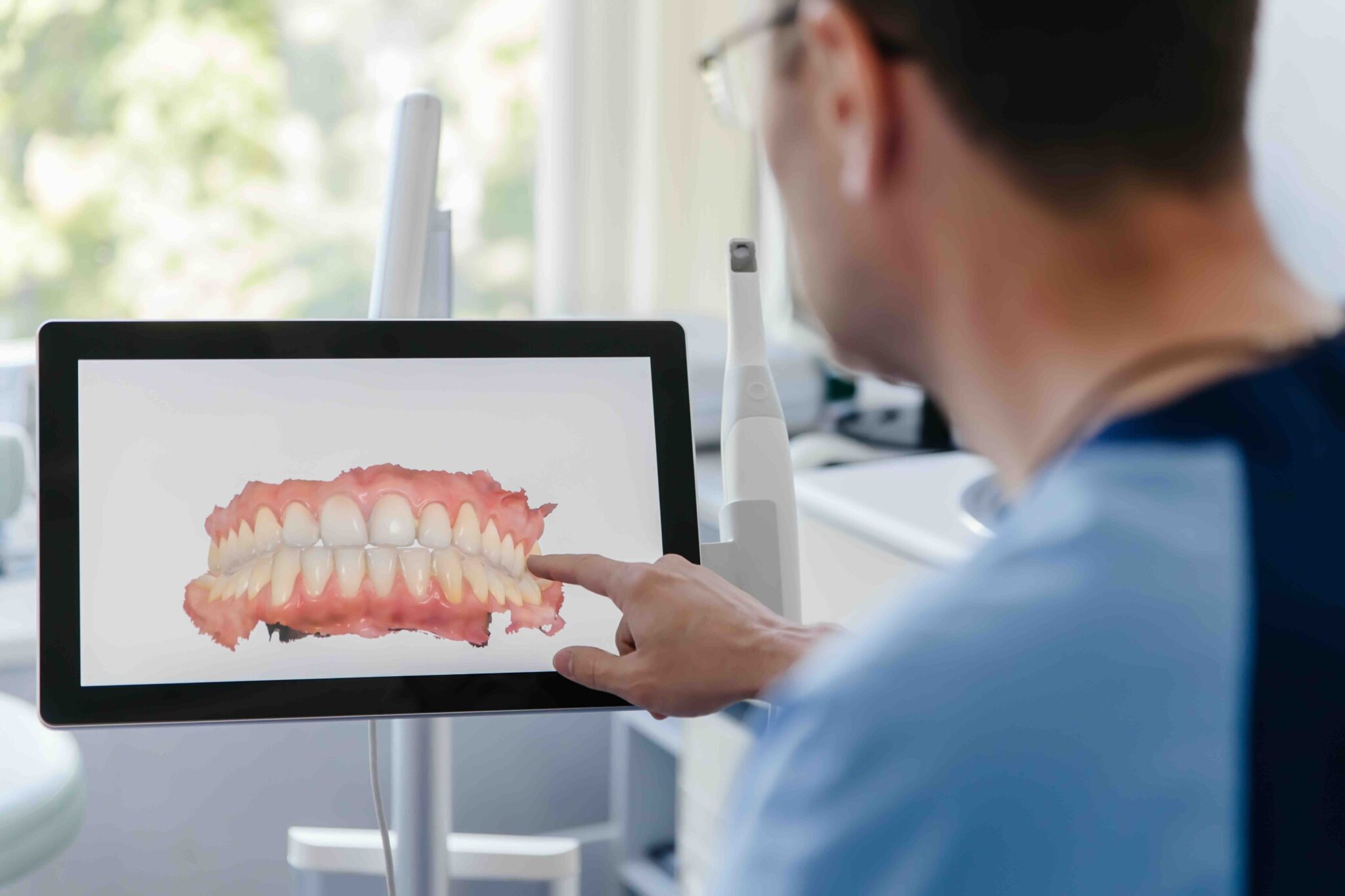
That is why regular exams matter. Dentists look not only at whether the crown is still attached, but whether the margins remain intact and whether the surrounding tooth looks healthy on X-rays and clinical inspection.
The safety question for special situations
Some patients need more tailored advice. Pregnancy, teeth grinding, severe acid reflux, dry mouth, autoimmune conditions, and strong gag reflexes all change the planning, if not the basic safety of the crown.
Pregnancy does not automatically rule out crown treatment. If a tooth is painful or structurally at risk, delaying care may be less safe than proceeding. Timing, necessity, radiograph decisions, and anesthetic considerations should be discussed with the treating team. For elective cosmetic treatment, many patients choose to wait.
For people who grind their teeth, crowns are often safe, but the crown must be chosen with force management in mind. Material selection, thickness, and a night guard may matter as much as the crown itself. A beautiful ceramic crown on a patient with heavy clenching and no protective plan is more vulnerable than many people realize.
Patients with dry mouth are another group worth mentioning. Reduced saliva increases cavity risk, including around crown margins. The crown may be safe, but the long-term environment is tougher. These patients often need more fluoride support, better home care routines, and closer recall intervals.
Questions worth asking before you agree to treatment
Most crown complications are not mysterious. They are often reduced by good communication before the tooth is prepared. If you are deciding whether to proceed, a few questions are more useful than generic reassurance.
You might ask:
- Why is a crown recommended instead of a filling or onlay?
- What material do you recommend for this tooth, and why?
- Is this tooth at increased risk of needing root canal treatment later?
- How will I know if my bite is off after placement?
- What signs should make me call the office after the procedure?
These questions do not challenge the dentist’s expertise. They help align expectations. A trustworthy clinician should be able to answer them clearly and without defensiveness.
How to make a crown as safe and successful as possible
The safety of a crown is not determined only on the day it is cemented. It also depends on what happens before and after. Good case selection matters. So does patient follow-through.
A few habits make a noticeable difference:
- Keep the temporary crown in place and report it if it loosens or comes off.
- Return promptly if the final crown feels high, painful, or impossible to floss.
- Clean around the crown daily, especially at the gumline.
- Wear a night guard if you clench or grind and your dentist recommends one.
- Keep regular checkups so small margin problems are caught early.
None of these steps are glamorous, but they are the practical side of safety. Crowns usually fail slowly before they fail dramatically. Catching a problem early can turn a major repair into a simple adjustment.
When a crown may not be the best option
There are situations where a crown is not the right answer, or not the whole answer. If a tooth is cracked far below the gumline, has very little remaining structure, or has advanced periodontal support loss, crowning it may not produce a lasting result. In those cases, “Can it be crowned?” is different from “Should it be crowned?”
Sometimes an onlay or partial coverage restoration conserves more tooth and is the more balanced choice. Sometimes extraction and replacement are more predictable than heroic restoration. Patients often hear these alternatives as bad news, but they are often signs of good judgment. Safety includes knowing when not to push a tooth beyond what biology can support.
The bottom line patients can rely on
For the vast majority of people, dental crowns are a safe and effective treatment. They do not poison the body, they do not routinely ruin healthy teeth, and they are not inherently dangerous because they are permanent. Their safety record is strong precisely because they are so widely used and so well understood.
The more meaningful question is not “Are crowns safe in general?” but “Is this crown, on this tooth, with this material and this plan, the right choice for me?” That question leads to better decisions.
A crown placed for the right reason, with careful technique, proper material selection, and realistic follow-up, can protect a Dental Crowns tooth for many years. A poorly indicated crown, or a good crown neglected in a difficult mouth, can become a source of trouble. That is true of almost everything in dentistry.
Patients do best when they look past internet absolutes and focus on specifics. Ask why the crown is needed. Ask what the alternatives are. Ask what risks apply to your tooth, not to every tooth. Safety is rarely found in one-word answers. It is found in sound diagnosis, clear communication, and treatment that respects both the tooth and the person attached to it.
Simple Dental Vermont
Address: 8914 S Vermont Ave, Los Angeles, CA 90044
Phone number: +13239493000
FAQ About Dental Crowns
How much do crowns cost per tooth?
In the United States, a single dental crown typically costs between $800 and $2,500 per tooth without insurance. The ultimate out-of-pocket price depends heavily on the crown material, the location of the tooth, and whether you have dental insurance coverage.
What is the downside of crowns on teeth?
The primary downside of a dental crown is that the procedure permanently removes natural tooth enamel to shape the tooth for the cap.
Why do dentists push for crowns?
Dentists recommend crowns because a large filling cannot provide enough strength when a tooth loses a major portion of its structure or faces heavy chewing pressure.