Dental Crowns for Sensitive Teeth: Helpful Insights
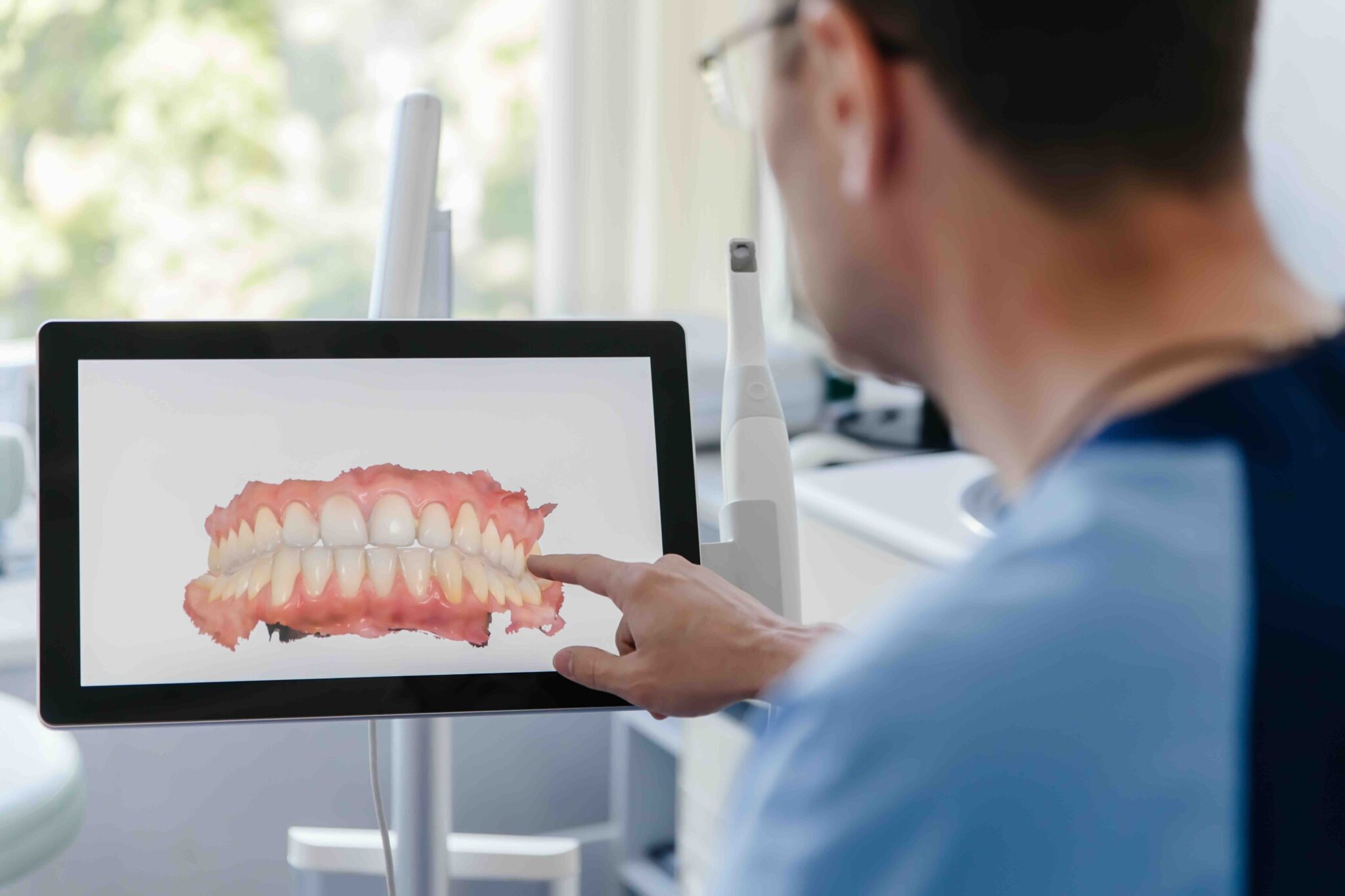
Tooth sensitivity has a way of shrinking ordinary moments. A sip of iced water, a spoonful of soup, even a deep breath on a cold morning can trigger that quick, bright jolt people describe with surprising accuracy. It is not always dramatic, but it is persistent, and that persistence wears people down. When a dentist recommends a crown for a sensitive tooth, the reaction is often mixed. Relief, because there may finally be a fix. Worry, because the tooth already feels irritable and the idea of more dental work sounds like adding stress to an already stressed tooth.
Dental Crowns can help sensitive teeth, but they are not a universal answer. Much depends on why the tooth is sensitive in the first place, how much healthy structure remains, whether the nerve is calm or inflamed, and what type of crown is being considered. The best outcomes usually come from careful diagnosis rather than rushing straight to treatment.
Why a sensitive tooth may need more than a filling
Sensitivity often starts with exposed dentin, the inner layer of the tooth under enamel. Dentin contains microscopic tubules that communicate with the nerve. When enamel wears down, when gums recede, or when a crack forms, hot, cold, sweet, or acidic stimuli can travel inward and set off pain.
A small problem can sometimes be handled with fluoride varnish, bonding, a desensitizing toothpaste, or a conservative filling. But there is a tipping point where the tooth needs full coverage. In practice, that usually means the tooth has one or more of these issues: a large failing filling, a visible or suspected crack, heavy wear from grinding, significant decay, or a fracture that leaves the remaining enamel too weak to trust.
That distinction matters. A crown is not mainly a sensitivity treatment in the way a desensitizing toothpaste is. It is a structural treatment. It protects what remains of the tooth. If the sensitivity is coming from weakened tooth structure, that protection can make a real difference.
I have seen patients spend months trying to Dental Crowns simpledentalca.com baby a tooth that was simply too compromised for another patchwork filling. They avoided chewing on one side, drank coffee lukewarm, and changed their diet without meaning to. Once the tooth was properly evaluated and restored with full coverage, many of those daily workarounds disappeared. Not because crowns are magic, but because the tooth finally had the support it needed.
When a crown actually helps sensitivity
A crown can reduce or resolve sensitivity when the source is structural exposure or movement. A cracked cusp is a classic example. The tooth may not be broken in half, but one section flexes slightly under chewing pressure. That tiny movement can irritate the nerve and cause pain on biting, release, temperature change, or all three. Covering the tooth with a crown can hold it together and limit that flex.
Large old fillings are another common reason. Composite and amalgam restorations do not last forever. Over time, the tooth around them can weaken, margins can leak, and small fractures can form where the filling meets natural enamel. A patient may notice intermittent cold sensitivity that gradually becomes more predictable. If Dental Crowns enough tooth structure has been lost, replacing the filling with another filling may not solve the bigger problem. A crown can seal and reinforce the entire tooth.
Severely worn teeth can also become sensitive. Grinding, clenching, acidic erosion, or a combination of factors can thin enamel over the years. These cases require judgment. Not every worn tooth should be crowned, and aggressive preparation on already vulnerable teeth needs to be weighed carefully. But in selected situations, especially when the bite is contributing to ongoing breakdown, crowns can restore shape, protect exposed areas, and make the tooth more comfortable.
When a crown may not be the right answer
Sensitivity does not automatically mean a crown. If the pain is brief, generalized, and tied to gum recession on several teeth, the issue may be root exposure rather than structural weakness. In that case, gum care, desensitizing treatments, and changes in brushing technique may do more good than full coverage restorations.
If the tooth has severe lingering pain to heat or cold, wakes you at night, or feels like it throbs on its own, the nerve may be inflamed beyond recovery. A crown alone may not fix that. Sometimes the tooth needs root canal treatment before or shortly after crowning. This is one of the harder conversations in dentistry because a patient may hear, “You need a crown,” and assume that means the sensitivity will definitely stop. Sometimes it does. Sometimes the crown is necessary but not sufficient.
There is also the issue of bite-related pain. A tooth that hurts because it is hitting too hard can seem temperature-sensitive when the real problem is mechanical overload. In those situations, adjusting the bite or addressing clenching habits may be just as important as the restoration itself.
The link between crowns and cracked teeth
Cracks deserve special attention because they are one of the most frequent reasons a sensitive tooth ends up needing a crown. A cracked tooth can be frustratingly inconsistent. One week it hurts only on granola, the next week ice water becomes a problem. X-rays do not always show the crack. Sometimes the diagnosis comes from symptoms, magnification, bite tests, and elimination of other causes.
A crown helps by bracing the tooth. Think of it less as covering a hole and more as creating a protective shell around a weakened structure. That shell reduces independent movement of the cusps, which is often what aggravates the nerve.
There is a limit, though. If a crack extends too far below the gumline or into the root, prognosis worsens. In those cases, a crown may not save the tooth. This is why a dentist may sound cautious even when recommending treatment that seems straightforward. The crown may be the best option available, while still carrying some uncertainty.
What the crown procedure feels like on a sensitive tooth
Patients with sensitivity often fear the preparation appointment more than anything else. That fear is understandable. The tooth already reacts to cold and pressure, so the idea of drilling can feel daunting. In most offices, local anesthetic controls the procedure itself well. If the tooth is especially reactive or anxious patients are involved, dentists may use additional measures such as a stronger topical anesthetic, slow delivery of numbing medicine, or a pre-treatment plan to settle the area.
After preparation, the temporary crown phase matters more than many people expect. A well-made temporary protects the prepared tooth from air, temperature, and chewing stress while the final crown is being made. A poorly fitting temporary, by contrast, can leave the tooth feeling exposed or high in the bite. When patients call a few days after crown preparation saying, “It feels more sensitive now,” the temporary is one of the first things worth checking.
Once the final crown is cemented, some mild awareness is common for days or a few weeks. The tooth has been worked on, the gums may be slightly irritated, and the bite may need a small adjustment. That is different from ongoing sharp, lingering, or worsening pain. Good follow-up matters here. Small bite discrepancies can keep a tooth irritated far longer than they should.
Crown materials and whether they affect sensitivity
Patients often ask whether one crown material is better for sensitive teeth. The short answer is that fit, preparation design, bonding or cementation, and bite are usually more important than the brand name or material category alone. Still, material choice does influence performance.
All-ceramic crowns can look excellent and work very well, especially in visible areas. Zirconia crowns are known for strength and are widely used on back teeth. Porcelain-fused-to-metal crowns are less common than they once were, but they still have a place in some cases. Gold or high noble metal crowns, while less requested for cosmetic reasons, remain extremely kind to opposing teeth and can perform beautifully in hard-working molar regions.
For a sensitive tooth, the practical questions are often these: Can the material allow a conservative preparation? Will it fit precisely? Is it appropriate for the bite forces in that area? Can it be bonded effectively if needed? Material discussions are worth having, but they should serve the tooth’s needs rather than trend preferences.
The possibility of needing a root canal
This is where expectations need to be realistic. Some teeth settle down after a crown and feel better than they have in months. Some remain irritated and later need root canal treatment. That does not always mean the crown was a mistake. Sometimes the tooth was already close to the edge because of deep decay, a longstanding crack, repeated dental work, or prior trauma.
Dentists try to estimate this risk before treatment, but biology is not perfectly predictable. A heavily restored molar with deep sensitivity and a crack line carries a different level of uncertainty than a premolar receiving a crown for mostly structural reasons with a quiet nerve. Patients appreciate honesty here. It is better to hear, “This crown gives the tooth the best chance, but there is still a possibility of root canal treatment later,” than to be promised certainty no dentist can guarantee.
A few warning signs after crown placement deserve prompt attention:
- Pain that lingers well after hot or cold exposure
- Spontaneous throbbing without eating or drinking
- Pain that wakes you from sleep
- Swelling or tenderness near the gum
- A bite that feels high and keeps triggering discomfort
Those symptoms do not always mean a root canal is necessary, but they do mean the tooth should be reassessed.
How dentists decide between a filling, an onlay, and a crown
Not every structurally compromised tooth requires a full crown. Sometimes an onlay or partial coverage restoration preserves more natural tooth while still protecting weak cusps. This can be an excellent middle ground, especially when there is enough sound enamel left to support the restoration and the problem is localized.
The choice usually depends on how much tooth structure is lost, where the damage sits, how heavy the bite forces are, and whether a crack is suspected. A small to moderate defect on a stable tooth may do well with a bonded restoration. A broad, heavily restored tooth with multiple weak walls is a different story. The more a tooth resembles a shell around old dental work, the more likely full coverage becomes sensible.
This is one area where second opinions can be helpful if the recommendation surprises you. Not because one dentist must be wrong, but because treatment planning often involves judgment. Two experienced clinicians may frame the same case slightly differently, especially if the tooth sits near the boundary between conservative repair and full coverage.
Sensitive teeth after a crown, what is normal and what is not
A newly crowned tooth can feel “different” for a while. That word comes up often because the sensation is not always easy to label. There may be mild awareness when chewing, brief temperature sensitivity, or slight gum tenderness where the tissue has been retracted or shaped during treatment. This usually fades.
What tends to prolong symptoms is one of three things: a bite that is fractionally high, a temporary or final crown margin that traps food or irritates the gum, or an underlying nerve that was more inflamed than it first appeared. Sometimes the fix is simple. I have seen a tooth settle completely after a 30-second bite adjustment that removed one heavy contact. Other times, symptoms persist despite an apparently ideal crown, and that points back to the nerve rather than the restoration.
A reasonable timeline varies, but improvement should generally move in the right direction over days to a few weeks. A tooth that is getting worse rather than better deserves another look.
The role of grinding and clenching
A crown can protect a tooth, but it cannot single-handedly defeat a strong grinding habit. If sensitivity is tied to cracks or wear, nighttime clenching may be part of the story. In those cases, many dentists recommend a night guard after the final crown is placed, particularly for back teeth that take heavy force.
This matters for two reasons. First, continued overload can keep the crowned tooth sore even if the restoration itself is sound. Second, one new crown in a stressed bite often means other teeth are under similar pressure. Addressing the broader pattern can help preserve not just the treated tooth, but the rest of the dentition as well.
Patients sometimes resist guards because they assume they are optional extras. In mild cases, perhaps they are. In a patient with flattened chewing surfaces, muscle tension, chipped enamel, or a history of cracked teeth, they are often part of the real treatment plan.
Cost, longevity, and whether the investment makes sense
Crowns are not small-ticket dentistry. The exact cost varies widely by region, office, material, and whether additional procedures are needed. It is reasonable to ask not only what the fee is, but what problem the crown is solving that a filling cannot. That question often leads to a much better understanding of the recommendation.
Longevity also depends on the condition of the tooth going in. A crown on a relatively healthy tooth placed because of a single fracture may last many years. A crown on a tooth that has already had deep decay, multiple restorations, heavy grinding, and borderline nerve health enters the game with more risk. The restoration may still be the right choice, but expectations should be calibrated.
The most useful way to think about value is not just years of service, but function preserved. If a crown lets you chew comfortably, protects a cracked tooth from splitting further, and helps you avoid more invasive treatment, that has tangible value beyond the restoration itself.
Questions worth asking before you commit
Patients rarely regret asking careful questions. A good dental consultation leaves room for them. If a sensitive tooth has been recommended for a crown, these are usually the most productive things to clarify:
- What is causing the sensitivity, and how certain is that diagnosis?
- Why is a crown being recommended instead of a filling or onlay?
- What is the chance this tooth may still need root canal treatment?
- What should I expect during the temporary phase and after final cementation?
- If I grind or clench, what should be done to protect the result?
Those answers often tell you as much about the quality of the plan as the plan itself.
A few situations where extra caution is wise
Teeth that have had repeated dental work deserve special care because every intervention changes the biology a little. The nerve has less reserve after multiple fillings, deep decay removal, or a history of trauma. Crowning such a tooth may still be the best way forward, but the path is narrower.
Older adults can present a different challenge. They may have gum recession that exposes roots, making several teeth sensitive at once, while one tooth also has a structural problem. Sorting out what belongs to generalized sensitivity and what belongs to a specific compromised tooth takes patience. It is easy to over-treat the loudest symptom if the broader picture is missed.
Front teeth create another nuance. Sensitivity there may be linked to erosion, thin enamel, or bite trauma, and crowns can sometimes be more aggressive than necessary. Veneers, bonding, bite adjustment, or protective habits may be better answers depending on the case. Full coverage on an anterior tooth should be recommended thoughtfully, especially if the tooth is otherwise intact.
Aftercare that actually helps
Once the crown is placed, daily care does matter, though not in glamorous ways. Plaque near the margin can inflame the gum and make a tooth feel tender or “off,” which patients may interpret as failure of the crown itself. Gentle but thorough brushing, flossing that cleans the sides of the crown without snapping harshly into the gum, and regular reviews are practical basics that protect the investment.
Temperature sensitivity after treatment is often aggravated by habits people do not realize they have, such as chewing ice, alternating very hot coffee with cold water, or brushing aggressively with a hard-bristled brush. These habits are not the root cause of every problem, but once a tooth has been through restorative treatment, reducing avoidable stress is sensible.
If a night guard has been advised, wearing it consistently matters more than buying the fanciest one. A simple, well-fitted guard used nightly usually does more good than an expensive device left in a drawer.
The bigger picture behind a single sensitive tooth
A crown recommendation is often about more than one symptom. Sensitive teeth can be the first visible sign of something broader, wear from grinding, erosion from diet or reflux, recession from brushing habits, or an aging restoration cycle where old fillings begin to fail one by one. Treating the individual tooth is necessary, but understanding the background pattern is what prevents repeat problems.
That is why the most reassuring treatment plans are rarely the fastest ones. They account for the condition of the tooth, the bite, the gums, and the patient’s day-to-day habits. Dental Crowns can be excellent tools for sensitive teeth when the problem is one of weakened structure, cracking, or extensive restoration failure. They are less useful when sensitivity stems mainly from root exposure or a nerve already beyond recovery. The difference lies in diagnosis, and getting that part right is what turns a crown from a costly patch into a genuinely helpful solution.
Simple Dental Vermont
Address: 8914 S Vermont Ave, Los Angeles, CA 90044
Phone number: +13239493000
FAQ About Dental Crowns
How much do crowns cost per tooth?
In the United States, a single dental crown typically costs between $800 and $2,500 per tooth without insurance. The ultimate out-of-pocket price depends heavily on the crown material, the location of the tooth, and whether you have dental insurance coverage.
What is the downside of crowns on teeth?
The primary downside of a dental crown is that the procedure permanently removes natural tooth enamel to shape the tooth for the cap.
Why do dentists push for crowns?
Dentists recommend crowns because a large filling cannot provide enough strength when a tooth loses a major portion of its structure or faces heavy chewing pressure.