Dental Crowns Los Angeles CA for Severe Tooth Damage
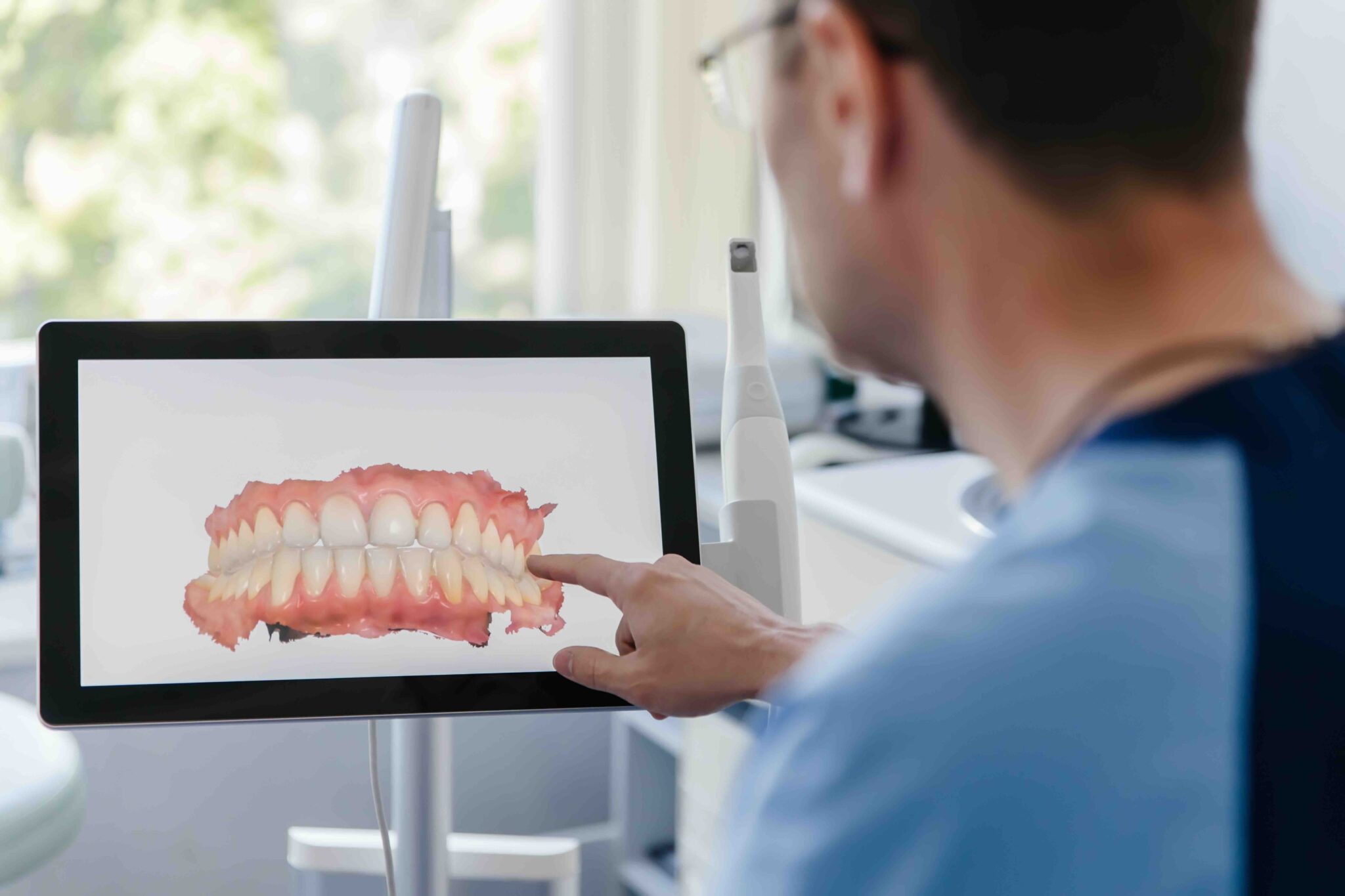

A badly damaged tooth can change more than a smile. It can alter the way a person eats, speaks, sleeps, and even carries themselves in a meeting or a photograph. Severe tooth damage tends to creep into daily life in small but stubborn ways. A sharp edge catches the tongue. Cold water sends a flash of pain into the jaw. Chewing shifts to one side. Eventually, what began as a cracked cusp or a deep cavity becomes a functional problem that demands real treatment, not a temporary patch.
That is where crowns enter the conversation. For many patients dealing with extensive decay, fracture, old failing dental work, or a tooth that has gone through root canal therapy, a crown is not cosmetic window dressing. It is structural dentistry. It is the difference between trying to save a compromised tooth and losing it.
In a city like Los Angeles, people often arrive with a mixture of practical and aesthetic concerns. They want the tooth to stop hurting, but they also want it to look natural on camera, in conversation, and under the bright light of everyday life. Dental Crowns Los Angeles CA is a phrase many people search when they are trying to solve both problems at once, function and appearance. The right crown can do exactly that, provided the diagnosis is sound and the treatment plan respects the condition of the tooth underneath.
When a filling is no longer enough
Not every damaged tooth needs a crown. A small cavity can often be handled with a filling. A minor chip might be smoothed or bonded. The line gets crossed when too much natural tooth structure is gone, or when the remaining walls are too weak to survive normal biting forces.
Dentists see this often with large old fillings that have been in place for years. The filling itself may still be attached, but the surrounding enamel has thinned out and become brittle. Patients are sometimes surprised when a tooth that did not hurt much suddenly breaks while chewing something ordinary, a sandwich crust, a nut, even a piece of grilled chicken. That kind of fracture usually reveals the larger issue. The tooth was surviving, not thriving.
A crown wraps the prepared tooth and redistributes biting pressure. Think of it less as a cap in the casual sense and more as a custom-engineered shell designed to protect vulnerable structure. It restores shape, strengthens function, and seals the tooth after damage or major treatment.
There is judgment involved here. Some teeth can be saved conservatively, and that is worth doing when possible. Others need more complete coverage because a conservative approach would fail quickly. The best dentists do not push every damaged tooth toward a crown, but they also do not pretend a heroic filling can solve a structural problem when it clearly cannot.
What counts as severe tooth damage
Severe damage comes in different forms, and each has its own treatment logic. A tooth may be badly decayed, cracked, worn down, broken after trauma, or weakened after root canal treatment. The surface may look only mildly damaged while the internal structure tells a more serious story on an X-ray or during examination.
A few common situations tend to point strongly toward a crown:
- A tooth has a crack or fracture that compromises one or more cusps.
- Decay has destroyed a large portion of the natural crown of the tooth.
- A root canal has been completed, leaving the tooth more brittle and vulnerable.
- A large old filling has failed, and not enough healthy enamel remains for another filling.
- Severe wear from grinding has shortened or weakened the tooth significantly.
Even these examples are not automatic. A front tooth that had a root canal, for instance, may sometimes be restored differently from a molar because the forces are not the same. Back teeth take heavy chewing pressure. Molars and premolars often benefit the most from full coverage after extensive loss of structure.
One of the most overlooked factors is the location of the damage. A crack that runs above the gumline can often be managed predictably. A crack that extends deep below the gum or into the root has a much poorer prognosis. This is where experience matters. The question is not simply, “Can a crown be placed?” The real question is, “Will a crown solve the problem long term, or are we building on a tooth that is already failing at the foundation?”
Why crowns matter after root canal treatment
Patients often assume that once a root canal removes pain, the problem is finished. In reality, root canal therapy addresses infection or inflammation inside the tooth. It does not rebuild the structure that was lost to decay, fracture, or access during treatment.
A back tooth after root canal therapy is especially vulnerable. Without a living pulp, the tooth is no longer sensitive in the same way, so patients may not feel warning signs before a fracture occurs. The enamel and dentin can also be more prone to cracking over time, particularly when large portions of the biting surface were already compromised.
This is why dentists commonly recommend a crown after a root canal on a molar or premolar. It is not upselling when the diagnosis supports it. It is preventive structural care. I have seen patients postpone the crown because the tooth “felt fine,” only to return months later with a vertical fracture that made extraction the only realistic option. Once a tooth splits, the window for saving it can close fast.
Front teeth are more nuanced. If the access opening is small and the remaining structure is strong, a crown may not always be necessary. But if the tooth is discolored, fractured, or heavily restored already, a crown may still be the most predictable choice.
Materials are not one-size-fits-all
When people look up Dental Crowns Los Angeles CA, they often focus first on appearance, and understandably so. In a visible area of the mouth, shade match, translucency, and contour matter. But the material choice should also account for bite forces, grinding habits, the amount of remaining tooth, and whether there is enough space for the restoration.
Porcelain and ceramic crowns are popular because they can look remarkably natural. Modern ceramics perform very well in many cases, especially in front teeth and many back teeth when planned properly. Zirconia has become a strong option for posterior teeth because it combines durability with acceptable aesthetics, and newer versions can look better than earlier generations. Porcelain fused to metal crowns still have a place in certain situations, though they are less commonly requested in highly visible areas because the metal substructure can affect light transmission and, over time, sometimes show near the gumline.
No material is perfect. Very hard materials can be durable but may wear opposing teeth if the bite is poorly adjusted. Highly aesthetic ceramics can be beautiful, but they still depend on proper thickness and case selection to avoid chipping or fracture. The best material is the one that suits the tooth, the bite, and the patient’s habits, not the one with the best marketing language.
The process, from evaluation to final cementation
The crown process is straightforward from the patient’s perspective, but there is a lot happening behind the scenes. The first step is diagnosis. That means checking the tooth clinically, taking appropriate X-rays, testing the surrounding structures, and evaluating whether the tooth is restorable.
If the tooth can be saved, preparation begins by removing decay, unsupported enamel, and old filling material as needed. The tooth is reshaped so the crown can fit with proper thickness and retention. If too much structure is missing, a buildup may be placed first to create a sound foundation. In some cases, when the tooth is broken close to the gumline, more advanced procedures such as crown lengthening may be discussed. If the root structure is inadequate, the tooth may not be a candidate for restoration at all.
An impression or digital scan is then taken. Temporary crowns matter more than people realize. A good temporary protects the tooth, maintains spacing, and lets the patient function comfortably while the final crown is being fabricated. A poorly fitting temporary can lead to sensitivity, gum irritation, or tooth movement that complicates final delivery.
When the final crown returns, the dentist checks fit, contact points, contour, color, and bite. That bite adjustment is critical. A crown that hits too high can trigger soreness, headaches, or fracture risk, especially in patients who clench. Proper cementation follows only after those details are right.
Same-day crowns are available in many practices and can be a real convenience. They can work very well when the case is suitable and the office has strong digital workflow. At the same time, not every tooth should be rushed simply because technology allows it. Some complex cases benefit from a laboratory-fabricated crown where more customization is possible.
Los Angeles patients often balance speed, aesthetics, and longevity
In Los Angeles, dental choices often happen at the intersection of lifestyle and visibility. Actors, executives, sales professionals, attorneys, and content creators may all care deeply about natural appearance, but so do parents, teachers, and retirees. There is nothing superficial about wanting a restoration that does not announce itself every time you smile.
At Dental Crowns Los Angeles CA the same time, scheduling matters. Patients may ask for treatment that fits around travel, production schedules, client meetings, or family logistics. That is reasonable, but severe tooth damage does not always cooperate with convenience. A tooth with advancing decay under a broken filling may need prompt attention, even if symptoms are not dramatic yet. Delaying treatment can turn a crown case into a root canal case, or a root canal case into an extraction case.
Local factors also shape treatment decisions. People who spend years drinking acidic beverages, using whitening products, grinding from stress, or cycling between rushed meals and inconsistent home care may present with complex wear and fracture patterns. A crown may solve one damaged tooth, but it should also prompt a broader conversation about why the damage happened.
The bite matters as much as the crown
One of the most common reasons a crown fails early is not the crown itself. It is the environment around it. If a patient has untreated grinding, an unstable bite, or repeated heavy contact on one tooth, even a beautifully made crown can chip, loosen, or stress the underlying root.
That is why a thoughtful treatment plan may include a night guard, bite adjustment, or monitoring of adjacent teeth. This is not overcomplication. It is basic risk management. Rebuilding a tooth without addressing the forces that broke it the first time is like replacing a cracked windshield while ignoring the frame damage around it.
Clenching is especially common in high-stress populations, and many people do it without realizing it. They wake with jaw tension, notice flattened edges on other teeth, or hear from a partner that they grind at night. For those patients, the crown is only part of the solution.
How long crowns last, realistically
Patients often want a simple number. The truth is that crown longevity depends on several interacting factors: material, tooth position, oral hygiene, bite forces, gum health, and the quality of the underlying tooth structure. A well-made crown on a healthy foundation can last many years, often well over a decade. Some last much longer. Others fail earlier because decay develops at the margin, the tooth cracks underneath, the cement seal breaks down, or the patient’s bite places too much stress on it.
A crown is not armor plating. It protects the tooth, but it does not make the tooth indestructible. The edge where the crown meets the natural tooth still needs careful cleaning. This is where some patients get tripped up. They assume a crowned tooth cannot decay. It can, especially near the margin if plaque sits there consistently.
Dentists sometimes see crowns that are technically intact while the tooth beneath them has deteriorated. That is one reason regular exams and X-rays matter. Problems under crowns are not always visible in a mirror.
Warning signs you should not ignore
A damaged tooth does not always produce dramatic pain. Some of the more serious cases begin with vague or inconsistent symptoms. The patient says, “It only hurts when I bite a certain way,” or “Cold lingers for a while,” or “Sometimes food gets stuck there, but it goes away.”
Those details matter. Bite pain can point to a crack. Food trapping can suggest an open margin, recurrent decay, or a shifting tooth. Lingering temperature sensitivity may mean the nerve is inflamed and the tooth is moving toward root canal treatment. Swelling, bad taste, or a pimple-like bump on the gum can indicate infection.
If a large portion of a tooth has broken off, the issue should be evaluated promptly even if pain is mild. Teeth can fracture further. Exposed dentin can become more sensitive. Temporary store-bought products may help for a day or two, but they do not restore strength.
Questions worth asking before you commit
Patients do best when they understand not just what is being recommended, but why. If a crown has been proposed for severe tooth damage, the conversation should be clear enough that Dental Crowns Los Angeles CA you can make an informed decision without feeling rushed or sold to.
Here are a few useful questions to ask at the consultation:
- How much healthy tooth structure remains, and why is a crown the best option?
- Is the tooth likely to need root canal treatment now or later?
- What crown material do you recommend for this specific tooth, and why?
- Are there signs of grinding or bite issues that could affect the crown’s lifespan?
- What is the backup plan if the tooth is found to be more damaged during treatment?
A good answer is usually specific, not generic. “Because crowns are stronger” is not enough by itself. A more meaningful explanation sounds like this: the back wall of the tooth is missing, the existing filling is undermining the cusps, and another filling would leave the tooth at high fracture risk. That is a reasoned recommendation.
Cost, value, and the temptation to wait
Crowns are a meaningful investment, especially in a major city. Patients are right to consider cost carefully. Still, the cheapest path upfront is not always the least expensive path over time. Deferring treatment on a severely damaged tooth can escalate the problem into infection, emergency pain, extraction, implant placement, or bridgework. Each step usually increases both cost and complexity.
Insurance may help, but coverage varies widely and often does not reflect the full fee. It is worth discussing alternatives when finances are tight. Sometimes a staged approach is possible. Sometimes a temporary solution can buy a short window. But there should be honesty about risks. A temporary measure on a structurally broken tooth is not equivalent to definitive care.
Value also includes preserving your own tooth. Whenever a damaged tooth can be predictably restored and maintained, that is usually preferable to losing it. Implants are excellent tools, but they are not better than a restorable natural tooth simply because they are newer or sound more definitive.
Caring for a new crown
Once a crown is in place, maintenance is refreshingly ordinary. Brush carefully along the gumline, floss daily, and keep recall visits. If you grind, wear the night guard you were given. Avoid using teeth as tools to open packaging or crack hard objects. That sounds obvious, yet dentists still see crowns damaged by ice chewing, popcorn kernels, olive pits, and absentminded pen biting.
Some sensitivity after placement can happen, especially if the tooth was already irritated or if the gum tissue was inflamed before treatment. It should improve, not worsen. If the bite feels off, even slightly, it is worth having it checked. A small high spot can create surprising discomfort.
Patients with crowns sometimes become so cautious that they avoid chewing on that side for months. Usually, once the crown is adjusted properly and the tooth is healthy, normal function is the goal. Restorative dentistry should restore confidence, not create a permanent sense of fragility.
Choosing a provider for Dental Crowns Los Angeles CA
Not all crown cases are equal, and not all practices approach them with the same depth. A straightforward crown on a tooth with solid structure is different from rebuilding a heavily broken molar in a patient with grinding, old decay, and limited clearance. When searching for Dental Crowns Los Angeles CA, it helps to look beyond surface marketing.
Pay attention to how the office evaluates complex cases. Do they take time to explain the prognosis of the tooth? Do they discuss material options in relation to your bite and habits? Do they assess whether the tooth needs buildup, root canal treatment, or periodontal support before crowning it? Are aesthetics handled thoughtfully when the tooth is visible?
The best dentistry often looks calm and unremarkable from the outside. The crown seats properly. The floss passes with the right resistance. The bite feels balanced. The shade blends in. Nothing pinches. Nothing catches. You stop thinking about the tooth because it works again.
That is the real standard. For severe tooth damage, a crown should not just fill a space on a treatment plan. It should restore strength, protect what remains, and give the tooth a fair chance to serve well for years. In the right case, done for the right reasons, that is exactly what a well-made crown can do.
Simple Dental Vermont
Address: 8914 S Vermont Ave, Los Angeles, CA 90044
Phone number: +13239493000
FAQ About Dental Crowns Los Angeles CA
How much do crowns cost per tooth?
In the United States, a single dental crown typically costs between $800 and $2,500 per tooth without insurance. The ultimate out-of-pocket price depends heavily on the crown material, the location of the tooth, and whether you have dental insurance coverage.
What is the downside of crowns on teeth?
The primary downside of a dental crown is that the procedure permanently removes natural tooth enamel to shape the tooth for the cap.
Why do dentists push for crowns?
Dentists recommend crowns because a large filling cannot provide enough strength when a tooth loses a major portion of its structure or faces heavy chewing pressure.