Do Dental Crowns Stain Over Time?
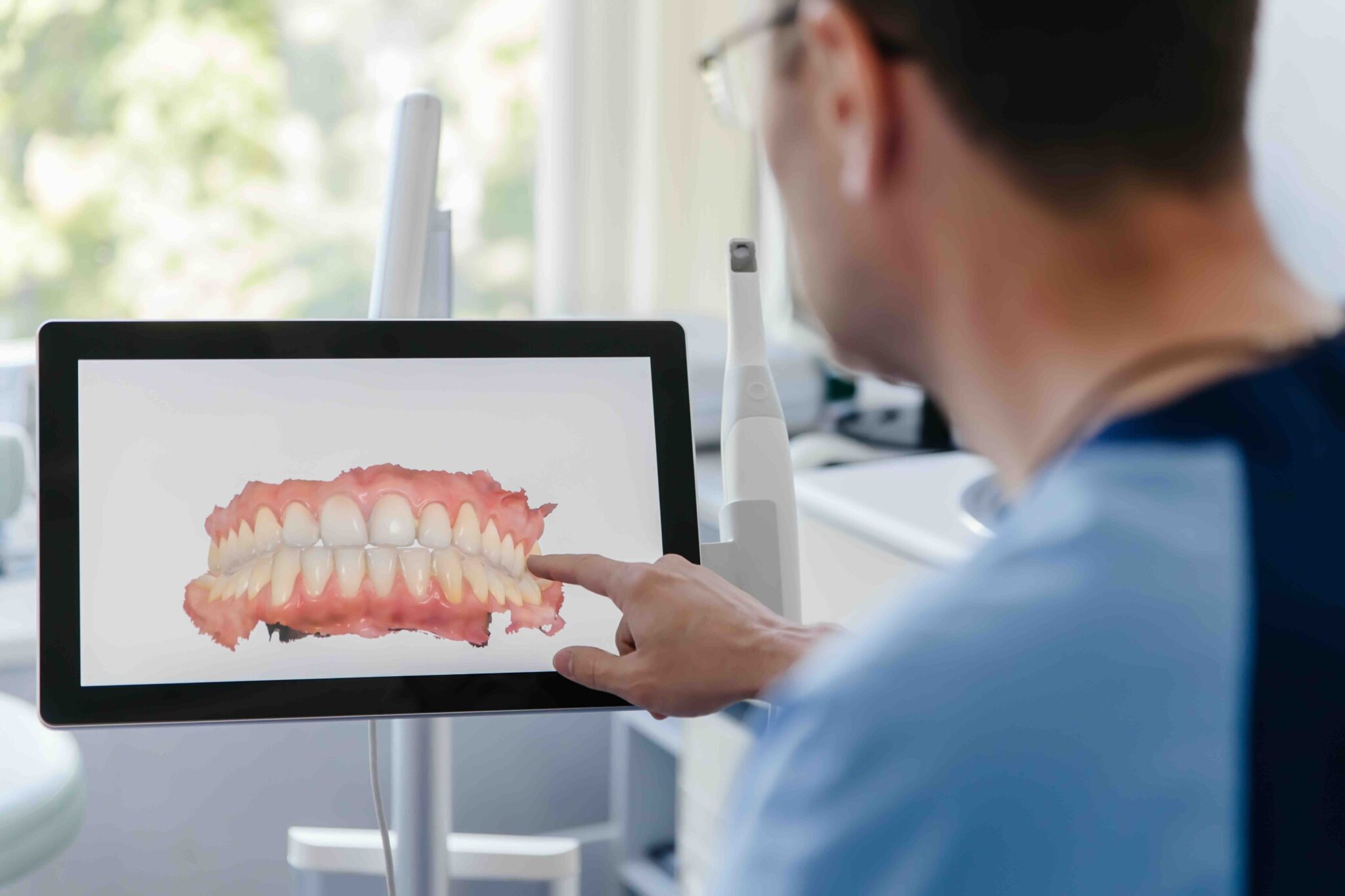
If you have a crown, or you are thinking about getting one, the question usually comes up sooner or later: will it stain the way natural teeth do?
The short answer is yes, sometimes, but not always in the way people expect. Dental Crowns do not all behave the same way. The material matters. So does where the crown sits in the mouth, how old it is, how well it was polished when placed, and what habits it faces every day. Coffee, tea, red wine, tobacco, mouth dryness, grinding, even the kind of toothpaste you use can influence how a crown looks years later.
What often causes confusion is that people use the word "stain" to describe several different problems. Sometimes the crown itself has picked up surface discoloration. Sometimes the edge near the gumline has darkened. Sometimes the crown has not changed much at all, but the neighboring teeth have become more yellow, making the crown stand out. And in other cases, a crown appears darker because the underlying tooth or metal structure affects the way light passes through it.
That distinction matters, because the fix depends on what actually changed.
The first thing to know: not all crowns stain the same way
A crown is not one single product. It is a category. In practice, dentists use several common materials, each with different strengths, aesthetics, and aging patterns.
Porcelain and ceramic crowns, including lithium disilicate and layered porcelain restorations, are generally the most stain resistant. Their glazed outer surface does not absorb pigments the way natural enamel can. If the glaze remains intact, they tend to hold their color well for years.
Zirconia crowns are also highly stain resistant. Monolithic zirconia, the kind milled from a solid block, is especially durable. It does not usually pick up deep discoloration, though the surface can accumulate extrinsic stain if it becomes rough over time.
Porcelain fused to metal crowns can look excellent at first, but as years pass they may show a dark line near the gum. That is not usually staining of the porcelain itself. More often, it is the metal margin becoming visible because the gum has receded a bit or because the restoration was designed with a metal collar. Patients often describe that as a stained crown even though the issue is structural, not a pigment soaked into the material.
Resin-based crowns, including some temporary crowns and some older or lower-cost options, are the most likely to discolor. Resin is more porous than ceramic. It can absorb pigments and lose its shine faster. That is one reason temporary crowns often look dull or yellow if they stay in place too long.
From experience, the material is the biggest predictor of long-term color stability. A well-made ceramic or zirconia crown can remain remarkably stable for many years. A resin crown, even with excellent care, usually shows age sooner.
What people mean when they say a crown is staining
When patients point to a crown and say, "It looks stained," the cause usually falls into one of a few categories. The appearance may be due to surface buildup, color mismatch, edge darkening, wear of the glaze, or changes in the surrounding mouth.
Here are the most common possibilities:
- Surface stain on the crown from coffee, tea, red wine, tobacco, or pigmented foods.
- Stain or tartar around the edges where plaque collects near the gumline.
- Loss of glaze or surface polish, which makes the crown hold onto pigments more easily.
- A mismatch with neighboring teeth, especially if the natural teeth have whitened or darkened over time.
- A visible margin or metal shadow, often mistaken for staining.
This is why a proper exam matters. A crown that seems permanently discolored may just need polishing. Another that looks like it has a coffee stain might actually have a failing margin or decay on the tooth underneath.
Can porcelain crowns actually absorb stain?
Porcelain itself is very resistant to staining. That is one of its biggest advantages. Unlike natural enamel, which has microscopic porosities and can respond visibly to years of dietary pigments, glazed porcelain is dense and smooth.
Still, "stain resistant" is not the same as "stain proof."
A crown can pick up surface discoloration if plaque and calculus build around it. Think of it less like dye soaking into the crown and more like a film settling on top. The crown may remain the same color underneath, but the coating changes how it looks. This is especially common near the gumline, on the back side of front teeth, and in patients who tend to get tartar quickly.
There is another wrinkle. The glazed surface on ceramic can wear down. That may happen after years of chewing, from aggressive brushing with abrasive toothpaste, or after an adjustment with a dental drill that was not fully re-polished. Once the surface becomes rougher, it catches more stain. I have seen crowns that looked excellent for years, then became noticeably dull after a small bite adjustment because the final polish was not ideal. The material had not failed, but the surface had changed.
That is why finishing and polishing are not minor details. In cosmetic areas, they matter a great deal.
Why zirconia usually stays brighter
Zirconia has changed the way many crowns are made, especially in back teeth and increasingly in front teeth too. One reason patients like it is that it tends to age well from a color standpoint.
Monolithic zirconia is not very porous, and it is tough. It resists chipping better than layered porcelain. It also tends to maintain a smooth surface when properly finished. Because of that, it does not usually pick up deep discoloration. If it looks darker over time, the problem is often external buildup or a mismatch with adjacent teeth rather than internal staining.
That said, zirconia is not automatically more beautiful than porcelain in every situation. In highly visible front teeth, some dentists still prefer layered ceramics because they can mimic natural translucency Dental Crowns and light reflection more precisely. The trade-off is that highly aesthetic layered materials may need more careful handling, and some can show wear or edge changes differently over time.
So if your question is strictly about stain resistance, zirconia performs very well. If your question is about the most lifelike cosmetic result, the answer depends on the case.
Temporary crowns are a different story
Temporary crowns deserve their own section because they are far more likely to stain than permanent ones. That often surprises people.
A temporary crown is made for short-term use while a lab fabricates the final restoration or while the dentist monitors healing. It is not expected to age gracefully. The materials are usually acrylic or composite resin based, which means they can absorb pigments from coffee, curry, tea, red sauces, and smoking much faster than ceramic.
If someone wears a temporary crown for a couple of weeks, mild discoloration is not unusual. If they end up wearing it for several months because of scheduling delays or treatment changes, the temporary may become quite obvious. It can also roughen, pick up plaque, and lose luster.
Patients sometimes judge the expected look of their final crown by how the temporary ages. That is rarely a fair comparison.
The gumline is where many color problems show up
When crowns begin to "look old," the gumline often tells the story.
A dark edge near the gum may come from plaque and tartar, especially if the area is hard to clean. It may also come from gum recession exposing the crown margin. On older porcelain fused to metal crowns, this can reveal a grayish line. In the front of the mouth, even a millimeter of recession can change the whole appearance.
Sometimes the cement line picks up stain. Sometimes the tooth under the crown develops decay at the margin, which can make the edge look brown or shadowed. That is not just cosmetic. It may mean the crown is leaking or needs replacement.
This is one reason regular checkups matter even when a crown feels fine. Crowns can hide problems until the signs show at the edge, and by then the issue may be bigger than a simple polish.
Whitening does not work on crowns
This is one of the most important practical points for patients. If a crown looks darker than the surrounding teeth, whitening products will not lighten the crown itself.
Bleaching agents work on natural tooth structure. They do not change the intrinsic color of porcelain, zirconia, or metal ceramic restorations. They may remove a bit of surface buildup around a crown, but they will not make the crown whiter.
That creates a common cosmetic problem. Someone whitens their natural teeth, loves the result, then notices that an old crown in a front tooth no longer matches. The crown has not necessarily stained. It just stayed the same while everything else got lighter.
The reverse happens too. Over many years, natural teeth can darken slightly with age while a ceramic crown stays stable. Now the crown can look too bright.
Color matching is not a one-time event frozen forever. The mouth keeps changing.
Daily habits that make a real difference
Some factors are built into the restoration, but many are lifestyle related. Crowns live in the same environment as your natural teeth, so the same habits that stain enamel can affect how clean and bright the crown appears.
The biggest repeat offenders are dark beverages sipped slowly over long periods, tobacco, poor plaque control, and abrasive home care. A person who drinks black coffee all morning, smokes, and skips flossing will almost always see more edge discoloration than someone with the same crown who brushes well and gets regular cleanings.
Dry mouth can also play a role. Saliva naturally helps wash away pigments and acids. Patients on certain medications, or those who breathe through their mouth at night, often accumulate more plaque and stain around all restorations, including crowns.
Grinding is another underappreciated factor. Bruxism can wear the glaze off ceramics or alter the finish, especially if the bite is not well balanced. Once the surface texture changes, stains cling more easily. The patient may say, "It used to stay clean, now it doesn't," and the explanation is mechanical wear, not a change in diet.
What helps a crown stay brighter longer
A crown usually does best with the same disciplined maintenance that keeps gums healthy and natural teeth clean, with a few extra considerations for preserving the surface.
The basics are simple:
- Brush twice a day with a non-abrasive toothpaste.
- Clean between the teeth daily, especially at the crown margin.
- Limit frequent exposure to staining drinks, or rinse with water afterward.
- Keep up with professional cleanings and exams.
- Ask for a night guard if you grind or clench.
That advice sounds ordinary because it is. The ordinary things tend to matter most. I have seen beautifully made crowns look older than they should because plaque was allowed to sit around the margins for months at a time. I have also seen ten-year-old crowns look excellent because the patient was meticulous with home care and came in like clockwork for maintenance.
One caution about toothpaste: whitening toothpastes can be overly abrasive. Some are fine, but some act more like polishing compounds. On natural teeth, that may help lift surface stain. On a crown, aggressive abrasion can dull the finish. A smoother surface usually stays cleaner.
Can a stained crown be cleaned, polished, or fixed?
Often, yes, depending on the cause.
If the issue is surface stain or tartar, a professional cleaning may solve it. Hygienists can remove deposits around the crown, and many discolorations disappear once the film is gone.
If the crown has lost some luster but is otherwise sound, polishing can sometimes improve the appearance. Dentists use specific polishing systems for ceramic and zirconia. This is not the same as ordinary toothpaste polishing at home. Done properly, it can restore smoothness and reduce future stain pickup.
If the crown has a rough adjusted area, re-polishing that spot may make a noticeable difference. That is common after bite adjustments.
If the margin is stained because the cement line is exposed, or if there is recurrent decay, polishing will not solve the underlying problem. The crown may need repair or replacement.
If the problem is simply mismatch after whitening, the only real cosmetic fix may be a new crown made to match the current shade.
This is where judgment matters. Not every dark area means replacement. Not every older crown can be made to look new again either. A good exam should sort out which category you are in.
When discoloration points to a bigger problem
A crown that looks darker is sometimes telling you something useful. A few warning signs deserve more attention than routine surface stain.
If the color change is sudden, especially after trauma or pain, the underlying tooth could be changing. If there is a persistent bad taste, bleeding at the gumline, or floss shredding around the crown, the margin may be compromised. If the crown looks fine Dental Crowns from the front but the gum around it stays puffy or tender, plaque retention or poor contour may be part of the problem.
There are also cases where the crown itself is not stained, but the root of the tooth becomes visible as the gums recede. On front teeth, that exposed root can look darker or yellower than the crown. Many patients understandably think the crown has changed color, when the visible anatomy around it has changed instead.
One patient example comes to mind. A woman came in worried that her front crown had turned gray. Under bright light, the porcelain still looked stable. The real issue was that the neighboring natural incisor had whitened after she started using over-the-counter strips, while the crowned tooth stayed the same. On top of that, a slight gum recession had revealed the margin. What she read as one problem was actually three smaller ones layered together: shade contrast, exposed edge, and dry-mouth related plaque at the gumline. That kind of combination is common.
How long should a crown keep its color?
A good crown should keep its color for many years. Ceramic and zirconia crowns often remain visually stable for a decade or longer, sometimes much longer, if the surrounding tissues stay healthy and the surface is maintained.
That does not mean they look exactly the same forever. The mouth ages. Gums shift. Adjacent teeth wear and darken. Old restorations lose a bit of brightness. Light reflects differently as surfaces change. Even if the crown material itself is stable, the context around it is not fixed.
For patients, this is important because "lasting" does not always mean "invisible forever." A crown can still be clinically successful while becoming more noticeable over time.
If you are choosing a crown now, color stability should be part of the conversation
People often focus on cost, speed, and whether the tooth is in front or back. Those matter, but color stability deserves a place in the discussion too.
If aesthetics are critical, ask what material is being recommended and why. Ask whether the crown will be monolithic or layered. Ask how the final surface will be glazed or polished. If you are considering whitening your natural teeth, do that before the final shade is chosen whenever possible. If you grind, mention it. If you know you drink several cups of coffee a day, say so. These details help your dentist plan realistically.
A well-chosen crown is part material science, part design, part maintenance. There is no single "best" crown for every person.
So, do Dental Crowns stain over time?
Some do, some do not, and many only appear to stain when the real issue is surface buildup, gum recession, or changing contrast with nearby teeth.
Permanent ceramic and zirconia crowns are generally very resistant to true staining. Temporary and resin-based crowns discolor more easily. The most visible changes over time often happen at the edges, not the center of the crown. And the difference between a crown that merely needs cleaning and one that needs replacement can be hard to judge at home.
If your crown looks darker than it used to, it is worth having it checked. The answer may be as simple as a polish and cleaning. Or it may reveal something more important happening at the margin. Either way, crowns tend to age best when the material is appropriate, the finish is smooth, and the daily maintenance is steady. That is usually what keeps them looking natural years after they are placed.
Simple Dental Vermont
Address: 8914 S Vermont Ave, Los Angeles, CA 90044
Phone number: +13239493000
FAQ About Dental Crowns
How much do crowns cost per tooth?
In the United States, a single dental crown typically costs between $800 and $2,500 per tooth without insurance. The ultimate out-of-pocket price depends heavily on the crown material, the location of the tooth, and whether you have dental insurance coverage.
What is the downside of crowns on teeth?
The primary downside of a dental crown is that the procedure permanently removes natural tooth enamel to shape the tooth for the cap.
Why do dentists push for crowns?
Dentists recommend crowns because a large filling cannot provide enough strength when a tooth loses a major portion of its structure or faces heavy chewing pressure.