How to Extend the Life of Dental Crowns in Los Angeles CA

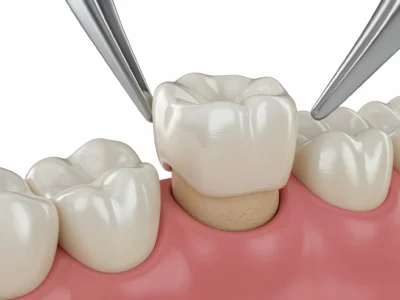
A well-made dental crown can serve you for many years, sometimes well over a decade, but longevity is never just about the crown itself. It depends on what happens after the appointment, how well the tooth underneath stays healthy, how your bite functions day after day, and whether small problems are caught before they turn expensive. In a city like Los Angeles, where people often juggle long commutes, coffee-heavy mornings, late dinners, high stress, and packed calendars, routine dental maintenance can slip surprisingly fast. Crowns tend to last longest when patients treat them less like a permanent fix and more like a restoration that still needs support.
That distinction matters. A crown is strong, but it is not indestructible. Porcelain can chip. Cement can wash out over time. The edge where crown meets tooth can collect plaque if brushing gets lazy or flossing is avoided because the area feels tight. Even a beautifully placed crown will fail early if the surrounding gum tissue becomes inflamed or if nighttime grinding puts the tooth under constant overload.
If you have recently received a crown, or if you have had one for years and want to avoid replacing it sooner than necessary, a few practical habits make a noticeable difference.
What actually shortens the life of a dental crown
People often assume crowns fail because the material wears out. That can happen, but in practice, crowns more commonly fail because the supporting conditions around them change. The crown may still look fine from the outside while the tooth underneath develops decay at the margin. A patient may come in saying, “The crown feels loose,” and the real issue is that the cement has broken down after years of force from clenching. Another patient may have no pain at all, but an X-ray reveals a problem under the crown that has been quietly developing for months.
In Los Angeles dental offices, a common pattern is the combination of cosmetic expectations and functional stress. Patients Dental Crowns Los Angeles CA want restorations that look natural, especially on front teeth, but they also tend to live with high tension, irregular sleep, and frequent jaw clenching. That mix can be hard on both anterior and posterior crowns. Add in acidic drinks, sports, occasional skipped cleanings, and the crown that should have lasted 12 to 15 years may need replacement much sooner.
The biggest threats usually include decay at the crown edge, gum recession that exposes vulnerable margins, fracture from heavy bite pressure, trauma, and untreated grinding. Poor fit can also shorten lifespan, though that is usually evident earlier. If food constantly traps around a crown or floss shreds every time you clean there, it deserves attention.
The crown is only part of the restoration
A dental crown covers and protects a compromised tooth, but the tooth still has roots, supporting bone, surrounding gum tissue, and a bite relationship with the teeth above and below. That is why crown care is never just about preserving porcelain. It is about preserving the whole environment.
Think of it this way. If a crown sits on a tooth that had a large cavity or a root canal, the underlying tooth structure may already be more vulnerable than an untouched natural tooth. The crown helps distribute force, but it cannot completely erase the tooth’s history. A patient who bites ice, chews pens, or grinds heavily at night is asking that restored tooth to absorb more stress than it was designed to handle indefinitely.
This is where judgment matters. Not every crown patient needs the same advice. Someone with excellent oral hygiene and a calm bite pattern may need little beyond normal maintenance. Someone with recession, dry mouth, and bruxism needs a more deliberate plan.
Daily care makes or breaks crown longevity
The best home care for crowns looks ordinary, which is why it is easy to underestimate. There is no secret product that compensates for inconsistent hygiene. Crowns last longer when plaque is removed thoroughly and gently every day, especially around the gumline where the crown margin often sits.
Brushing technique matters more than brushing force. Scrubbing hard does not clean better. It can irritate gums and contribute to recession, which may expose the edge of a crown and create places where plaque sticks more easily. A soft-bristled brush, angled toward the gumline, usually does a better job than a firm brush used aggressively. Electric brushes can be especially helpful for patients who rush or apply uneven pressure.
Flossing is just as important, but it should be done correctly. Snap flossing down between teeth can dislodge debris, but it can also irritate the gums or catch at crown margins if done carelessly. A gentler motion, curving the floss around the side of the tooth and sliding it below the gumline, protects the tissues that help seal the area. Water flossers can be a useful supplement, especially for patients with bridges, tight contacts, or dexterity issues, though they do not fully replace traditional floss in every case.
Here are the home habits that consistently help crowns last longer:
- Brush twice daily with a soft brush and fluoride toothpaste, focusing on the gumline rather than only the visible surfaces.
- Clean between teeth every day, using floss, interdental brushes, or a water flosser based on what your dentist recommends.
- Limit habits that create sudden force, such as chewing ice, cracking nuts with your teeth, or tearing packaging.
- Wear a night guard if you clench or grind, even if your crown feels fine right now.
- Keep regular hygiene visits so small margin issues are caught before they become larger repairs.
That list looks simple because the fundamentals are simple. The hard part is consistency.
Why grinding is such a common crown killer in Los Angeles
Nighttime clenching is one of the most overlooked reasons crowns fail early. Many patients do not realize they grind because they sleep through it. They notice only secondary signs, morning jaw tightness, a dull headache near the temples, a partner who hears grinding, or small chips that keep appearing on natural teeth. By the time a crown cracks or loosens, the bite forces may have been excessive for years.
Los Angeles is not unique in having stressed patients, but high-intensity work schedules, screen-heavy routines, and inconsistent sleep do create a familiar clinical pattern. It is common to see otherwise healthy adults with polished wear facets, abfractions near the gumline, and repeated restorative breakage. A crown placed on a patient with untreated bruxism is often being asked to perform under hostile conditions.
A custom night guard is not glamorous, but it often pays for itself by preventing damage to crowns, veneers, fillings, and natural enamel. Store-bought guards may provide some cushion, though they can be bulky or alter the bite in a way that is less precise. For a patient with several restorations or known grinding, a professionally made appliance usually offers a better fit and more predictable protection.
One practical note: if a crown feels “high” after placement, do not wait months hoping it settles. Even a slight bite discrepancy can concentrate force and accelerate wear or soreness. A quick adjustment can preserve both comfort and the restoration.
Food, drink, and the Los Angeles lifestyle factor
Most crowns tolerate normal eating well. The issue is not whether you can eat with a crown, but how often you expose it and the surrounding tooth to conditions that promote decay, fracture, or gum irritation.
Frequent sipping is often more damaging than occasional indulgence. Coffee with sweetener throughout the morning, sports drinks after workouts, sparkling water with citrus, and late-night snacking create repeated acid and sugar exposure. The porcelain of a crown does not decay, but the natural tooth at the margin absolutely can. Secondary decay at the edge of an old crown is one of the most common reasons replacement becomes necessary.
Dry mouth increases that risk. Many people in Southern California deal with dehydration more often than they realize. Add antihistamines, certain antidepressants, stimulant medications, or mouth breathing, and saliva flow may drop enough to affect how well the mouth neutralizes acid and clears bacteria. Saliva is protective. When it is lacking, crown margins become harder to defend.
If you are trying to preserve Dental Crowns Los Angeles CA patients often invest significant time and money into, it helps to think in patterns rather than isolated treats. A dessert with dinner is generally less damaging than grazing on sticky snacks all afternoon. A morning coffee finished in one sitting is easier on the teeth than sipping it over three hours.
The role of regular exams and professional cleanings
Crowns rarely fail without warning, but the warning signs are easy to miss at home. Early decay at a crown margin may not hurt. A slight gap in cement may not be visible in the mirror. A bite imbalance may feel normal simply because it developed gradually.
Routine exams give your dentist a chance to evaluate contact points, crown margins, gum health, and radiographic changes before the problem becomes dramatic. Hygienists often spot inflammation around a crowned tooth that suggests flossing is not effectively reaching the area. Sometimes the fix is technique, not replacement. A small adjustment in home care can buy years of additional function.
This is one reason delaying cleanings “until something bothers me” tends to backfire. By the time a crowned tooth hurts, the repair may be more involved than recementing or smoothing a bite. It might require root canal therapy, crown replacement, or in advanced cases, extraction.
Patients are sometimes Dental Crowns Los Angeles CA surprised to learn that the crown itself is still intact, yet it still must be removed because decay developed underneath. That is frustrating, especially when the visible porcelain looks excellent. The lesson is simple: crowns are not immune to neglect.
Material matters, but not in the way many people think
Patients often ask which crown material lasts longest. There is no universal winner because longevity depends on location, aesthetics, bite forces, and preparation design. Porcelain and ceramic crowns can look remarkably natural, which makes them popular for visible teeth. Zirconia is known for strength and is often chosen for back teeth or heavy-function cases. Porcelain fused to metal has a long track record and remains appropriate in some situations.
The more useful question is whether the material fits the demands of that specific tooth. A front tooth crown in a patient with a light bite has different priorities than a molar crown in someone who clenches nightly. Material choice matters, but fit, cementation, occlusion, and maintenance matter at least as much.
I have seen beautifully milled restorations fail early because the patient never addressed bruxism. I have also seen older crowns made with less fashionable materials continue functioning for many years because the margins stayed clean and the bite remained stable. Fancy material cannot rescue poor habits.
Small discomforts that should not be ignored
Many crown problems start subtly. Patients often wait because the symptom is intermittent or mild. That delay can turn a simple correction into a full replacement.
Pay attention if you notice any of the following:
- Sensitivity when biting or releasing pressure on the crowned tooth.
- Food catching repeatedly around the crown when it never used to.
- A rough edge, chip, or change in how the crown feels against your tongue.
- Gum bleeding or tenderness localized around that one tooth.
- A sense that the crown is loose, tall, or no longer fitting your bite.
None of those automatically means the crown is failing, but each deserves evaluation. A crown that feels slightly off can sometimes be polished or adjusted in minutes. Left alone, the same issue may progress into fracture, inflammation, or recurrent decay.
Gum health is part of crown care
Healthy gums are not just cosmetic framing around a crown. They form a protective seal around the tooth. When gums stay inflamed, plaque retention increases, tissues bleed more easily, and the area becomes harder to clean. If recession develops, crown margins may become exposed. That can create visible lines on front teeth, but more importantly, it can change the vulnerability of the tooth-restoration interface.
For patients in Los Angeles who invest in cosmetic dentistry, this is often the missing piece. The crown may look excellent at placement, but if the gums are chronically inflamed from inconsistent hygiene or aggressive brushing, the restoration ages faster visually and functionally. Pink, stable tissue usually makes a crown look better and last longer.
Smoking and vaping can complicate this picture. Even when staining is less visible than with older tobacco habits, the vascular and healing effects on gum tissue still matter. If you are trying to maximize the life of a crown, anything that compromises gum health deserves a candid conversation with your dentist.
When older crowns should be monitored more closely
Crowns do not expire on a fixed date, but older crowns need thoughtful surveillance. Once a crown passes the ten-year mark, especially if the patient has a history of decay, dry mouth, or gum recession, it is wise to monitor the margins carefully. That does not mean replacing crowns routinely just because they are old. Plenty of them continue serving well. It does mean watching for cement washout, recurrent decay, wear on opposing teeth, and changes in surrounding bone or tissue.
Patients sometimes ask whether a perfectly comfortable crown should be replaced “before it causes trouble.” The answer depends on what the exam and X-rays show. Preventive replacement can make sense in select cases, but blanket replacement of every aging crown is not good dentistry. The goal is to intervene when there is evidence of risk, not just because time passed.
Choosing the right dental team in Los Angeles
With something as common as crowns, skill differences can be easy to underestimate. Yet preparation design, margin placement, bite adjustment, and follow-up all affect how long the restoration lasts. If you are seeking Dental Crowns Los Angeles CA providers offer, look beyond appearance alone. Cosmetic result matters, but so do fit, tissue response, and functional planning.
Ask practical questions. How does the office evaluate bite issues? What happens if a temporary crown feels wrong? Do they screen for grinding? How are margins checked at recall visits? The best crown work often looks uneventful from the patient’s perspective because so much attention was paid to details that prevent trouble later.
This is particularly important for patients with complex histories, previous root canals, multiple restorations, or fractured teeth. Those cases benefit from careful planning rather than speed.
Realistic expectations help crowns last longer
A crown is not a fragile restoration, but it also should not be treated like a tool. Patients sometimes think, “It’s a crown, so that tooth is stronger now.” In reality, the crown protects a tooth that was damaged enough to need reinforcement in the first place. You can chew normally, but using crowned teeth to open bottles, bite fingernails, or grind through stress is not normal function.
It also helps to accept that some maintenance may be needed over time. Bite adjustments, night guards, changes in flossing technique, or management of dry mouth are not signs the crown was a failure. They are part of preserving restorative work in a real human mouth that changes year to year.
The patients who get the longest life from their crowns tend to share a mindset. They do not wait for pain. They respond early to small changes. They understand that investing in maintenance protects the larger investment.
A long-lasting crown is usually the result of boring habits done well
There is no dramatic secret to extending crown life. Most of it comes down to disciplined basics, early attention to warning signs, and realistic protection against the forces that wear restorations down. Brush gently but thoroughly. Clean between the teeth every day. Keep acidic drinks and sugary sipping in check. Hydrate. Wear the night guard if you need one. Show up for exams even when everything feels fine.
That may sound unremarkable, but it is exactly how crowns last. In practice, the difference between a crown that serves well for many years and one that fails too early is often not the laboratory or the material. It is what happens on ordinary weekdays, in traffic, at work, late at night, and in the quiet routines that either support oral health or slowly undo it.
For patients with Dental Crowns Los Angeles CA dentists place every day, longevity is rarely accidental. It is built, protected, and maintained.
Simple Dental Vermont
Address: 8914 S Vermont Ave, Los Angeles, CA 90044
Phone number: +13239493000
FAQ About Dental Crowns Los Angeles CA
How much do crowns cost per tooth?
In the United States, a single dental crown typically costs between $800 and $2,500 per tooth without insurance. The ultimate out-of-pocket price depends heavily on the crown material, the location of the tooth, and whether you have dental insurance coverage.
What is the downside of crowns on teeth?
The primary downside of a dental crown is that the procedure permanently removes natural tooth enamel to shape the tooth for the cap.
Why do dentists push for crowns?
Dentists recommend crowns because a large filling cannot provide enough strength when a tooth loses a major portion of its structure or faces heavy chewing pressure.